Bees are among the oldest living species on Earth. In addition to providing humans with beeswax and honey, they pollinate about a third of all crops consumed in the United States. Although honey bees are often the most recognized, they aren’t native to the U.S.—they were brought over from Europe in the 1600s, and their population is currently stable. Most bees native to the U.S. are solitary by nature and rarely sting. However, despite their environmental importance, bees can become a household nuisance when they build nests in places like sheds, barns, and homes.
- Bees can be dangerous when they feel threatened.
- Nesting habits vary by species (honey bees vs. bumblebees).
- Bee stings can be serious, especially for those with allergies.
- Signs of infestation include buzzing, stings, hives, and structural damage.
- Critter Control offers safe and effective bee removal services.
Are Bees Dangerous?
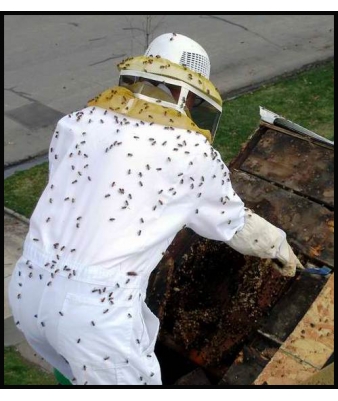
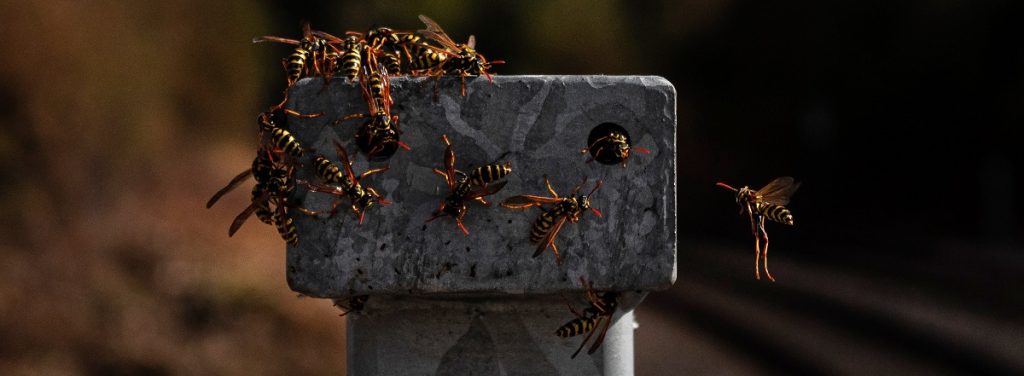
Bees are not naturally aggressive like wasps, hornets, or yellowjackets, even though they are stinging insects. As pollinators, they play an integral role in maintaining healthy ecosystems and supporting agriculture. However, these fuzzy insects can become defensive if they perceive a threat to their hive.
When defending their nests, bees may sting. They only do this as a last resort, as most of them die after stinging, so they only sting when necessary. While a single sting is usually just painful, multiple stings or an allergic reaction can lead to severe health risks.
Where Do Bees Nest?
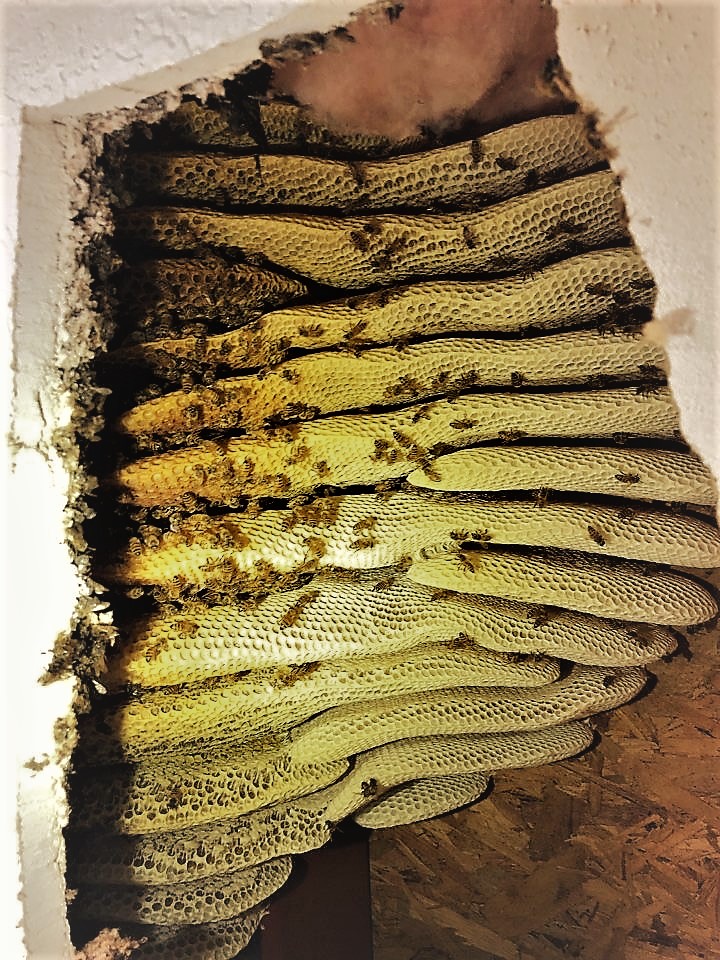
The nesting habits of bees vary depending on the species. Generally, bumblebees build below ground, whereas honey bees build in hidden nooks above ground.
Bumble Bees
Bumblebees—large, fuzzy-bodied black and yellow insects—often nest below ground or in protected cavities. They may choose abandoned rodent burrows, compost heaps, or under garden sheds to build their nests, as these areas offer plenty of protection.
Honey Bees
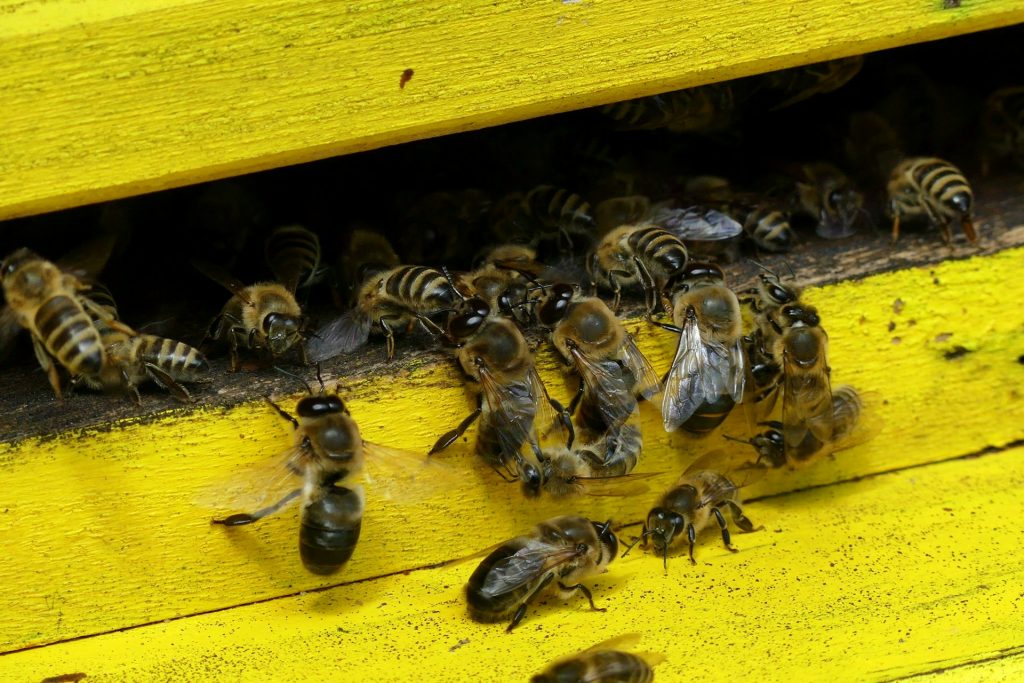
Honey bees—slimmer and less fuzzy than a bumble bee’s appearance—build complex, above-ground hives that serve as their central hub. These nests are often hidden in hollow trees, rock crevices, wall voids, and similar nooks and crannies, making them hard to locate.
What Are the Signs of a Bee Infestation?
Signs of a bee infestation might not always be immediately obvious, but if you pay attention, you may notice a few telltale signs. This may include:
Stings
If you’ve been stung on your property, you may have an active bee infestation, especially if it’s happened more than once or twice. Bee stings are painful and, in some cases, can be life-threatening due to allergic reactions. If you suspect you have an infestation, call a professional for bee removal rather than attempting it yourself.
Hives
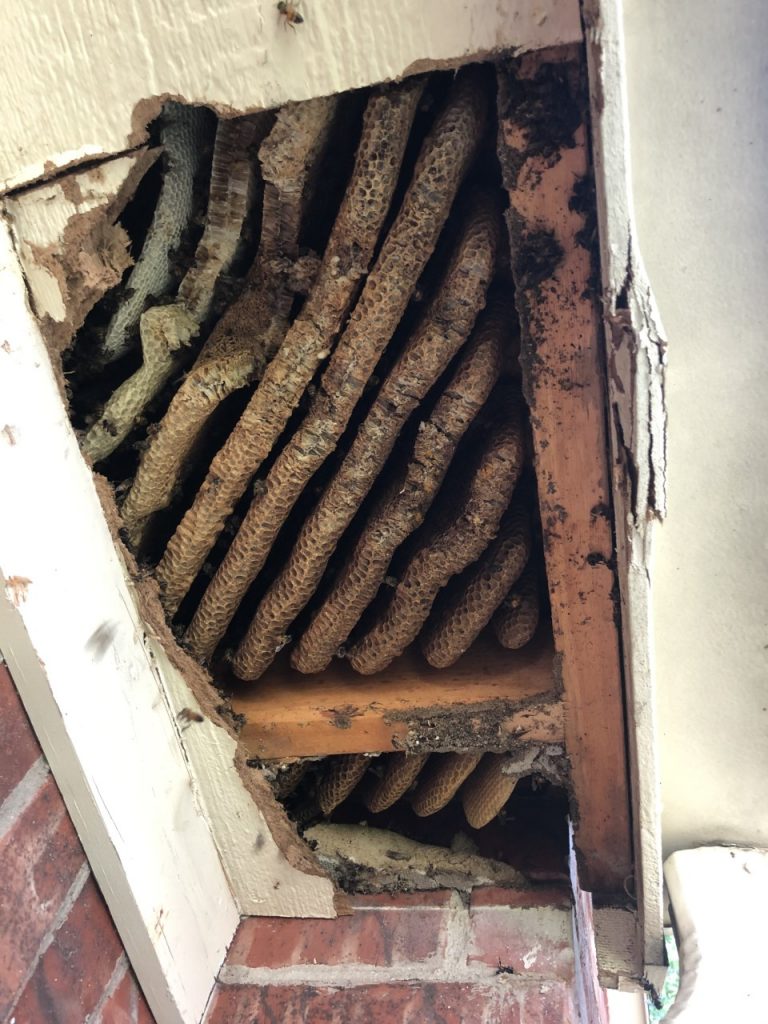
Bee hives can vary in appearance based on species. Honey bee hives are large, waxy, and often hidden from plain view in a tree hollow, wall void, or similar cavity. Bumblebee nests tend to be smaller, less structured, and located underground or in a hidden area.
If you find one on your property, don’t attempt bee hive removal yourself. Bees sting when they feel threatened, which can be dangerous—especially if you’re allergic—so it’s best to hire a professional to take care of the process.
Buzzing Sounds
Persistent, concentrated buzzing, especially near walls, trees, or sheds, is a clear sign of bee activity. While a few bees flitting about, buzzing around your home and garden throughout the day doesn’t automatically mean an infestation, loud, concentrated buzzing often does.
Structural Damage
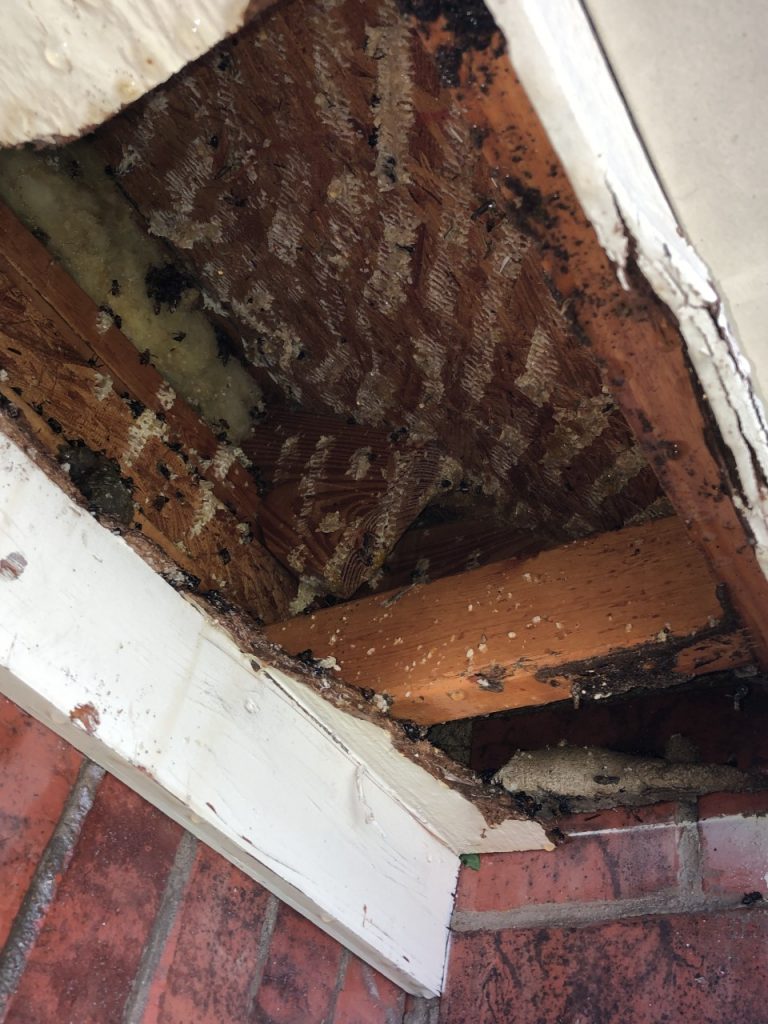
Bees can do a number on your home, especially if they take up residence in a wall void, shed, or similar spot. They can create holes in wood as they build their nests, leave behind unsightly honey stains, and weaken internal structures, especially within walls or attics. Because of this, it’s important to address the issue sooner rather than later, before the bees build a stronghold within your home or on your property.
Dealing With Bees? Reach Out to a Professional
If you suspect you have a bee problem, do not hesitate to contact our experienced team at Critter Control. While many pest control companies are unwilling to handle bee infestations due to their complexity and the bees’ importance to the environment, we specialize in safe bee removal and effective pest control for bees. Once we remove the infestation, we’ll even repair any structural damage left behind to restore your home’s integrity.
Searching for bee removal near you? Critter Control Canada can get rid of bee nests and bee problems with effective bee control and bee removal solutions. Contact us to learn more about professional bee removal costs for carpenter bees, bumblebees, and similar types of bees.
Critter Control Canada Bee Hive Removal Before and After