Quick Answer
Usually only temporarily.
Most raccoon deterrents, including peppermint oil, ammonia, ultrasonic devices, motion lights and loud sounds may briefly discourage raccoons, but rarely solve the problem long-term once they have identified your attic, roofline, soffit, or property as a shelter or food source.
Expert Insights
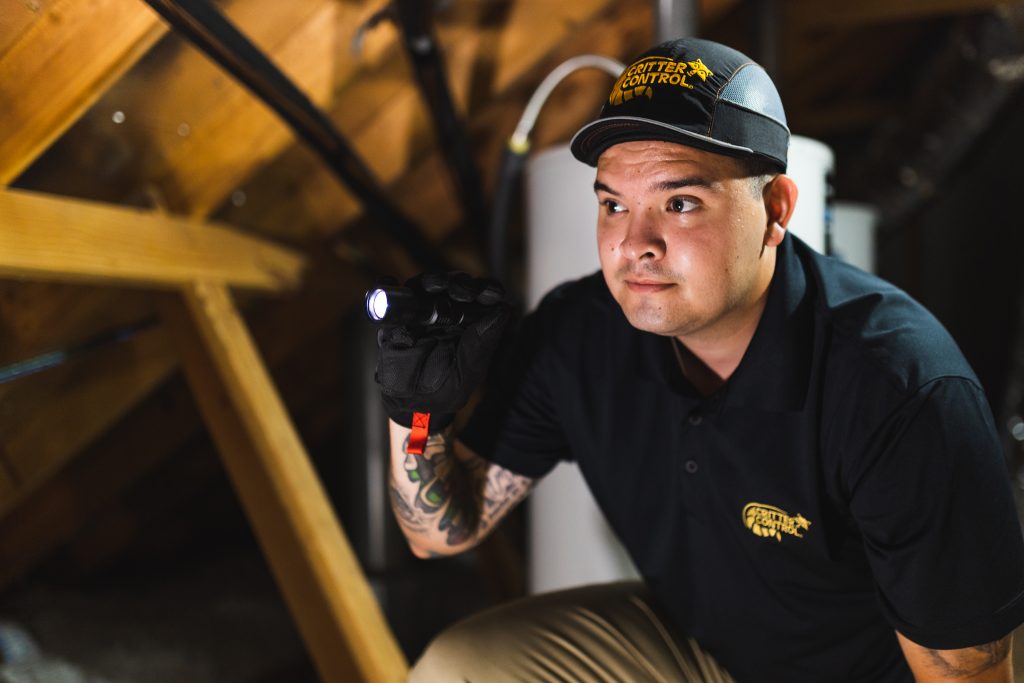
“Homeowners usually call us after they’ve already tried peppermint oil, flashing lights, or ultrasonic repellents for a few weeks. In most cases, the raccoons leave temporarily, then return once the noise or smell becomes familiar.
The biggest issue is that deterrents don’t remove the reason the raccoon came in the first place. If there’s an accessible attic, warm soffit, roof vent, or food source nearby, the raccoon usually comes back.”
Brandon Thorsell, district manager
Why Deterrents Stop Working
Raccoons Are More Adaptive Than Most Homeowners Expect
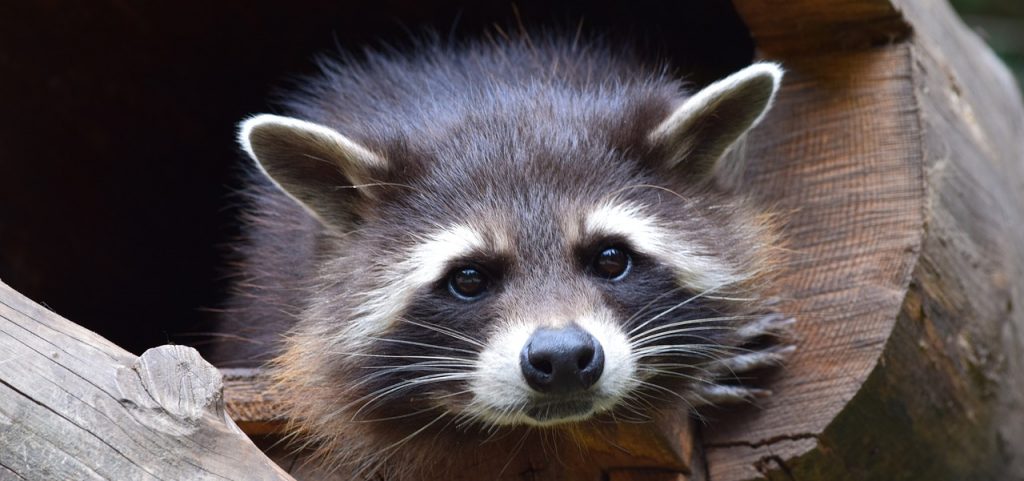
Raccoons are highly intelligent animals. Once they identify a safe shelter area, they often tolerate smells, lights, or sounds that initially scared them away. In urban areas like Toronto, Mississauga, and Vaughan, raccoons commonly return when roof vents remain unsecured, soffits are weakened by weather, garbage access continues, or attic nesting areas already exist.
This is especially common during late winter and spring mating season, when females are actively seeking denning sites.
Tried everything and nothing works? We help homeowners seal entry points and safely remove raccoons.
Deterrent Breakdown
What Homeowners Usually Try and What Usually Happens
Peppermint Oil & Smell Deterrents
Why it often fails.
Raccoons quickly adapt once they realize there is no real predator threat. Needs constant reapplication.
Ultrasonic Sound Devices
Why it often fails.
No peer-reviewed evidence supports consistent effectiveness. Raccoons habituate to repeated sounds. Not regulated by Health Canada.
Motion-Activated Lights
Why it often fails.
Raccoons adapt to predictable light patterns within days, especially in urban areas where artificial light is
already common.
Ultrasonic Sound Devices
Why it often fails.
Ontario regulations require raccoons to be released on the same property. Without sealing entry points, trapping is a cycle rather than a solution.
When to get professional help
Signs Deterrents Are No Longer Enough
Professional wildlife exclusion is usually necessary when any of the following apply:
- Noises continue every night
- Attic activity returns repeatedly
- Visible soffit or roof damage
- Baby raccoons might be present
- Scratching inside the walls or the ceiling
- Droppings or odor appear indoors
- Deterrents stop working within days
- Entry points visible on roofline
At this stage, the issue is usually no longer about scaring raccoons away. It becomes a structural entry-point and nesting problem that requires professional assessment.
The most effective approach
What Actually Keeps Raccoons Away Long-Term
The most effective long-term solution is exclusion. Unlike temporary deterrents, exclusion addresses the reason raccoons continue returning by eliminating access. In most GTA homes, this includes roof vent protection, soffit reinforcement, chimney caps, deck and crawlspace barriers, and humane one-way exit systems.
Common Entry Points in Toronto-Area Homes

Aging roof vents
Detached garage roofs
Weather-damge soffits
Chimney gaps
Roofline additions
Older attic ventilation
Same-day inspections available. Licenced & Insured. Humane Removal